


If your home heating system suddenly stops working, the furnace reset button can be a lifesaver. This small button is designed to protect your furnace from damage by shutting it off during certain issues and allowing you to safely restart it. Understanding how and when to use the reset button can save you time, prevent further problems, and keep your home warm.
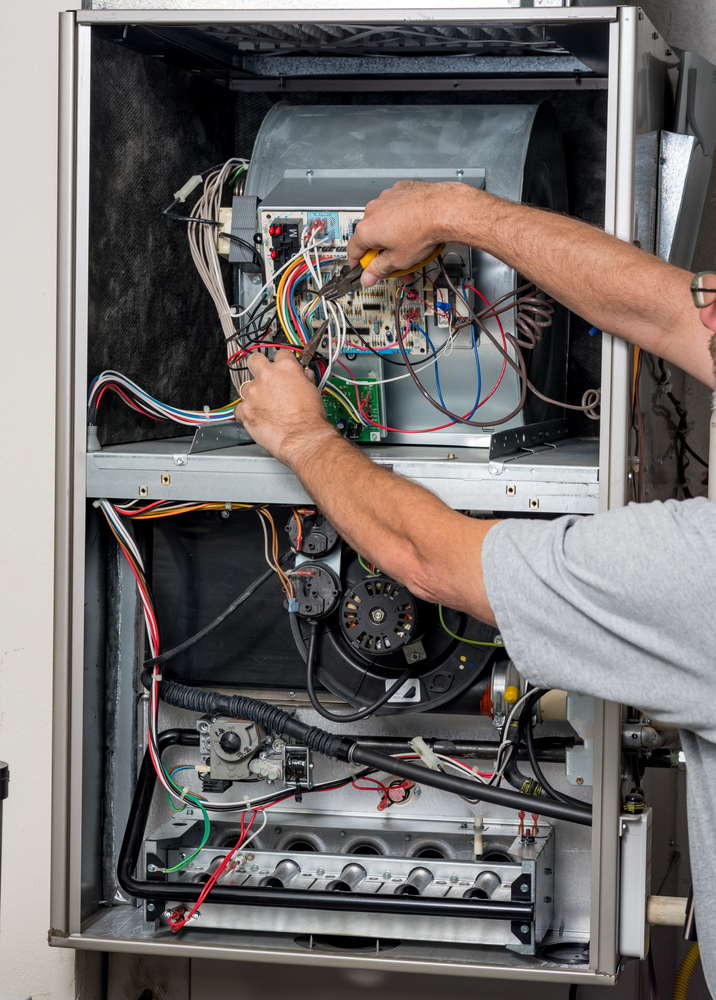
Why the Furnace Reset Button Exists
Modern furnaces are equipped with safety features to prevent overheating or mechanical damage. The reset button acts as a safeguard when the system encounters issues such as:
- Overheating due to airflow restrictions
- Electrical malfunctions
- Mechanical failure in internal components
- Short cycling or repeated shutdowns
Pressing the reset button after addressing the underlying problem allows your furnace to safely resume operation.
How to Use the Furnace Reset Button
Using the furnace reset button is simple but requires caution:
- Turn Off Power: Switch off the furnace at the breaker to ensure safety.
- Locate the Reset Button: Most buttons are red and found near the blower motor or on the furnace panel.
- Press and Hold: Press the button for 5–10 seconds, then release.
- Restore Power: Turn the furnace back on at the breaker.
- Observe the System: Watch for proper startup and check if it runs smoothly without repeated shutdowns.
Important: The reset button should not be pressed multiple times in a short period. Frequent resets indicate a deeper issue that requires professional inspection.
Signs You Might Need to Press the Furnace Reset Button
Some situations indicate that the furnace may need a reset:
- The furnace won’t start even when the thermostat calls for heat
- The system shuts off after a few minutes of operation
- Strange noises or unusual smells coming from the furnace
- No heat is being produced despite the power and gas supply
These symptoms often mean the furnace has entered a safety lockout and needs a reset after addressing the root cause.
Safety Tips When Using the Reset Button
Using the furnace reset button safely is crucial to prevent damage:
- Always turn off the power before pressing the button
- Wait at least 30 minutes if the furnace has overheated
- Inspect for airflow issues, dirty filters, or blocked vents
- Do not repeatedly press the button without a professional assessment
- Call a licensed technician if the furnace continues to shut down
Following these tips ensures your furnace remains safe and functional.
Common Problems That Cause Furnace Lockouts
Understanding the underlying causes of lockouts can prevent repeated resets:
- Dirty or clogged air filters are restricting airflow
- Faulty limit switches or sensors
- Malfunctioning blower motors
- Electrical wiring problems
- Gas supply interruptions
Addressing these issues promptly keeps your furnace running efficiently and extends its lifespan.
FAQs About Furnace Reset Button
- How often should I use the furnace reset button?
Only when the furnace shuts down due to a safety lockout. Frequent resets indicate a bigger problem. - Can I damage the furnace by pressing the reset button?
Pressing it once is safe if done correctly, but repeated use without fixing the cause can cause harm. - Where is the reset button located?
Typically, near the blower motor or on the control panel, it’s often red for easy identification. - How long should I wait before resetting a furnace?
Wait at least 30 minutes to let the furnace cool down before pressing the reset button. - When should I call a professional?
If your furnace requires repeated resets or exhibits unusual noises, smells, or performance issues, contact a licensed HVAC technician.
Conclusion
The furnace reset button is a simple yet essential safety feature designed to protect your heating system. While it can help restart your furnace after a temporary issue, repeated resets indicate a deeper problem that needs professional attention. By using the reset button correctly and addressing underlying issues, you can ensure your furnace operates safely, efficiently, and reliably throughout the heating season.


